Nepal formally initiated efforts to promote foreign investment by the enactment of the Foreign Investment Act 2038 BS. Probably, it was the first attempt to attract foreign investment through a specific act in South Asia. However, it was the Panchayat Regime, which was mostly state-controlled in nature, and so foreign investment was not encouraged, but during the late period ofthe Panchayat, some foreign investment in the form of a joint venture was received. The example of Nepal Arab Bank (Now Nabil) was the first commercial bank that was jointly established by domestic and foreign investment.
After the restoration of the multiparty system in 2046 BS, Nepal made a comprehensive market-oriented reform with due priority on foreign investment.
In order to facilitate foreign investment, the Industrial Policy 2049, Commercial Policy 2049, Foreign Investment and Technology Transfer Act 2049, and Privatization Act 2050 were implemented. All of them were more liberal toward foreign investment, and foreign investment was open to almost all sectors except a few, such as Arms and Ammunition, Small and cottage industries, including traditional businesses.
In the early years of this reform, there was a green sign of foreign investment. Investment in the tourism sector, the manufacturing sector, financial sector, among many other received foreign investment.
However, the armed conflict (Sasatra Dwanda) initiated in 2052 BS by Moist made the investment environment more risky and uncertain. The threat to life and property was common from both the Maoist and the government side. This discouraged not only foreign investment but also led to the collapse of the domestic manufacturing sector. Such armed conflict remained for a decade, and there was no foreign investment in Nepal during this period.
After the second people’s movement in 2062/63 and the comprehensive peace agreement (Bistrit Shanti Samjhauta) with Maoists, the decade-long conflict was over, but the transition period remained for almost a decade. In order to promote foreign investment, various policies, institutional, and legal reforms have been made.
The Industrial Policy 2067 has been in practice, replacing the earlier policies. This policy is more liberal toward foreign investment, and it has made the provision of both foreign direct and foreign portfolio investment. In order to enhance industrial security, there is the provision of an industrial security force, and to minimize the conflict between owners and labor, this policy has the provision of “no work, no pay”.
Similarly, Investment Board Nepal has been established to facilitate large foreign investment (NPR 6 billion or more). The one-stop service (one-window policy) is in practice to provide all the public services at one point. The Commercial Policy 2072 replaced the earlier policy.
The Foreign Investment and Technology Transfer Act 2075 is in practice. In order to facilitate and attract more foreign investment, the government of Nepal has organized various investment summits and fairs and also participated in such events. The embassies and diplomatic missions abroad are oriented to interact with potential investors and communicate tto hem the opportunities and advantages of investment in Nepal.
Recently, the government of Nepal has reduced the lower limit of foreign investment to NPR 20 million. The government has prioritized the Nepali diaspora to attract their investment in Nepal.
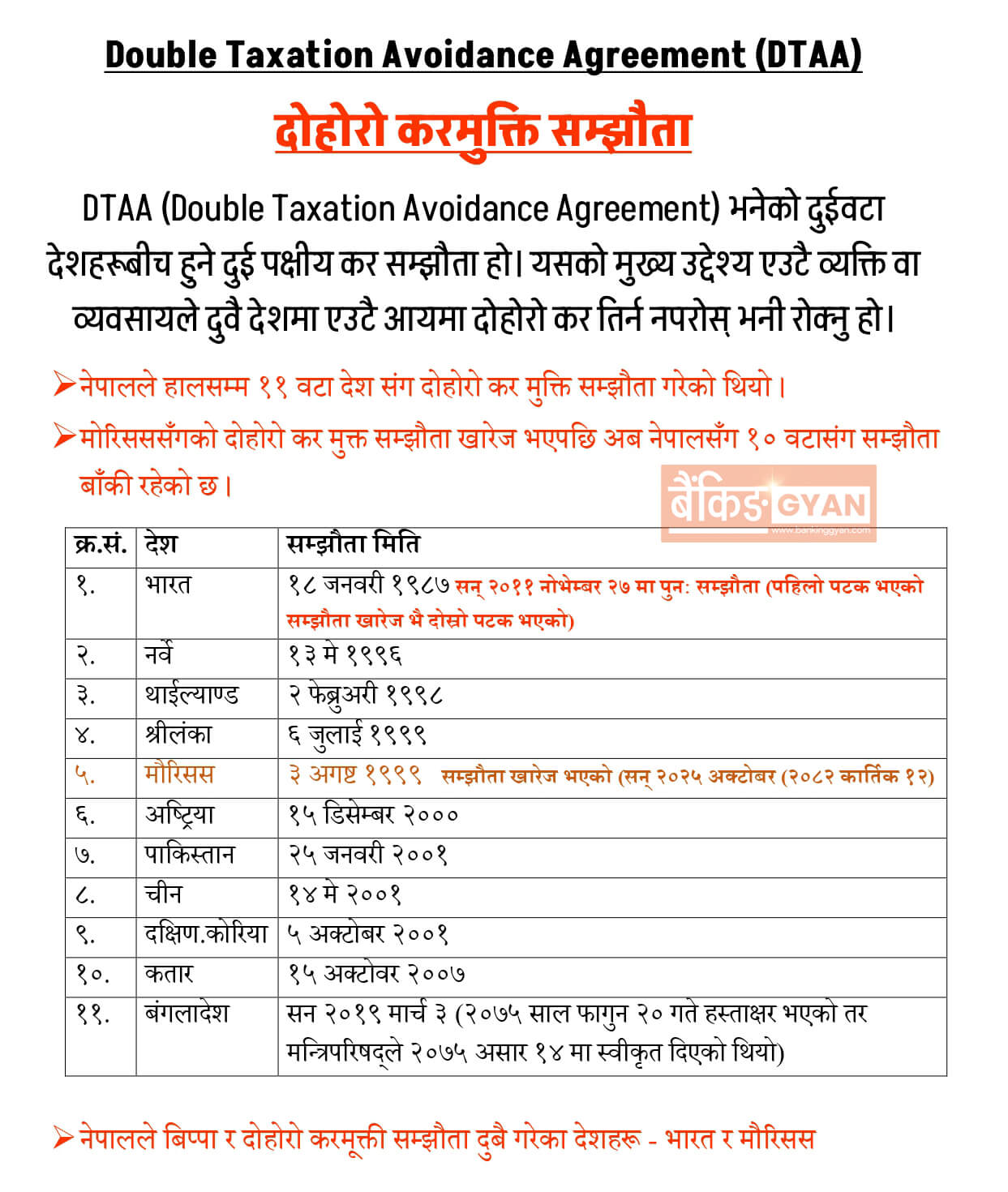
Similarly, Nepal has made Bilateral Investment Promotion and Protection Agreements – BIPPA and Double Taxation Avoidance Agreement – DTAA with some of the major countries in order to promote foreign investment in Nepal.
Despite these various efforts, Nepal receives annual foreign investment of less than 1% of its GDP. Similarly, out of the total investment in South Asia, Nepal receives below 1% of the total global investment. Nepal is one of the least per capita foreign investment-receiving countries in this region.
As of the economic survey 2081/82, the status of foreign investment in Nepal is: –
- There are 6922 industries registered and approved by the Department of Industry (DOI by the end of Falgun 2081.
- During the same period, the total foreign investment approved by the DOI is NPR 564.59 billion.
- The total direct employment committed by these investments is 3,39,675.
- Out of the total industries, the largest number is in the service sector, 29.3%, the energy sector, 25.5%, the tourism sector, 24%, the manufacturing sector, 14%, and the mining sector, 1.5%.
- Among these industries, the Chinese industry is the largest in number, at 40.9%, followed by India at 12.6%.
- Similarly, in terms of investment, China shares 44%, followed by India at 19.4%.
- The DOI approves foreign investment below 6 billion, and the Investment Board Nepal holds the authority to approve foreign investment of NPR 6 billion or above. As of IBN, the total investment approved by it is NPR 1250 billion in 42 different projects, out of which NPR 525 billion has been received in the completed and under-completion projects.
Major Problems of Foreign Investment in Nepal
Nepal formally initiated efforts to attract foreign investment by the enactment of the Foreign Investment Act 2038 BS. Since then, Nepal has made various policies, legal and institutional reforms to promote foreign investment in Nepal. Various initiatives include investment summits, investment fairs, BIPPA, and DTAAs with several countries. However, the realization of foreign investment in Nepal is not satisfactory, as revealed by the data.
For example, to date, the total investment approved by the DOI and the Investment Board of Nepal is around NRS 1500 billion during the four and a half decades of effort. The actual realization of such an investment is around 1000 billion. Each year, Nepal receives less than 1% of GDP in foreign investment, and out of total foreign investment in South Asia, Nepal receives less than 1%. It shows that there are some issues and problems related to foreign investment in Nepal:
- Lack of transparent and predictable policies, laws, rules, and working modalities.
- Poor coordination among government institutions, policies, and other stakeholders.
- Poor economic diplomacy for marketing and branding and communicating the potential areas of foreign investment to possible investors.
- Higher bureaucratic costs, including under-the-table money such as commission, bribes.
- Poor image of the country in the international arena, regional and multilateral forums, including the issues of corruption.
- Poor quality of infrastructure and higher cost of production.
- Lack of a friendly domestic private sector and community for foreign investment.
- Lack of a specific priority sector and inability to focus on incentives and facilities for that sector.
- Limited domestic market, shortages of raw materials, and shortages of skilled human resources.
- Lack of visionary leadership with strong willpower for the execution of commitments related to foreign investment.
Other Notes