Economic diplomacy has been an integral component of Nepalese Foreign Policy after the reorientation of foreign policy in the 1990s. Since then, Nepal has emphasized the economic benefits of extending its relationship with other countries. However, there are issues that are limiting the benefits of economic diplomacy.
The major problems related to Nepal’s economic diplomacy are:
- Lack of clear, consistent policies on economic diplomacy.
- Poor coordination among the ministries, government, and private sector, including other stakeholders. Such as development partners and civil society.
- Lack of adequate financial, technical, and human resource capacity in the embassy and diplomatic missions of Nepal.
- Poor diplomatic professionalism. i.e., poor communication, bargaining, and negotiation skills.
- Political instability and a lack of common consensus in foreign policies.
- The gap between internal and external policies and practices.
- Unable to improve the image of the country as a destination for tourism and foreign investment.
- Unable to internationalize Nepali culture, language, and literature to promote Nepal’s identity and recognition.
- Bureaucratic hurdles and inefficiencies due to red tape and poor responses in service delivery.
- Lack of an integrated approach to promoting economic diplomacy, such as Aid, Trade, Tourism, etc.
- Unable to integrate and utilize the Nepalese diaspora in promoting economic diplomacy.
Role of Economic Diplomacy in Mobilizing FDI in Nepal
Economic diplomacy can play an instrumental role in promoting FDI in Nepal. It can help to boost FDI in Nepal by reducing non-economic risk, building investors’ confidence, and connecting Nepal strategically to the regional and global markets.
So, the role of economic diplomacy in promoting FDI in Nepal can be expressed as:
- Signaling policy credibility and stability to the foreign investor. For example, diplomatic missions can communicate Nepal’s policy commitments, incentives for investment, and investment protection measures, etc.
- Proactive investment promotion by the diplomatic mission (Investment promotion fairs in the respective country, facilitation of B2B meetings between Nepali and foreign businessmen, organizing roadshows, campaigns related to FDI in Nepal).
- Improving regional access through diplomacy. (Energy trade agreements, transit and logistics facilitation, mutual support and incentives for the products.)
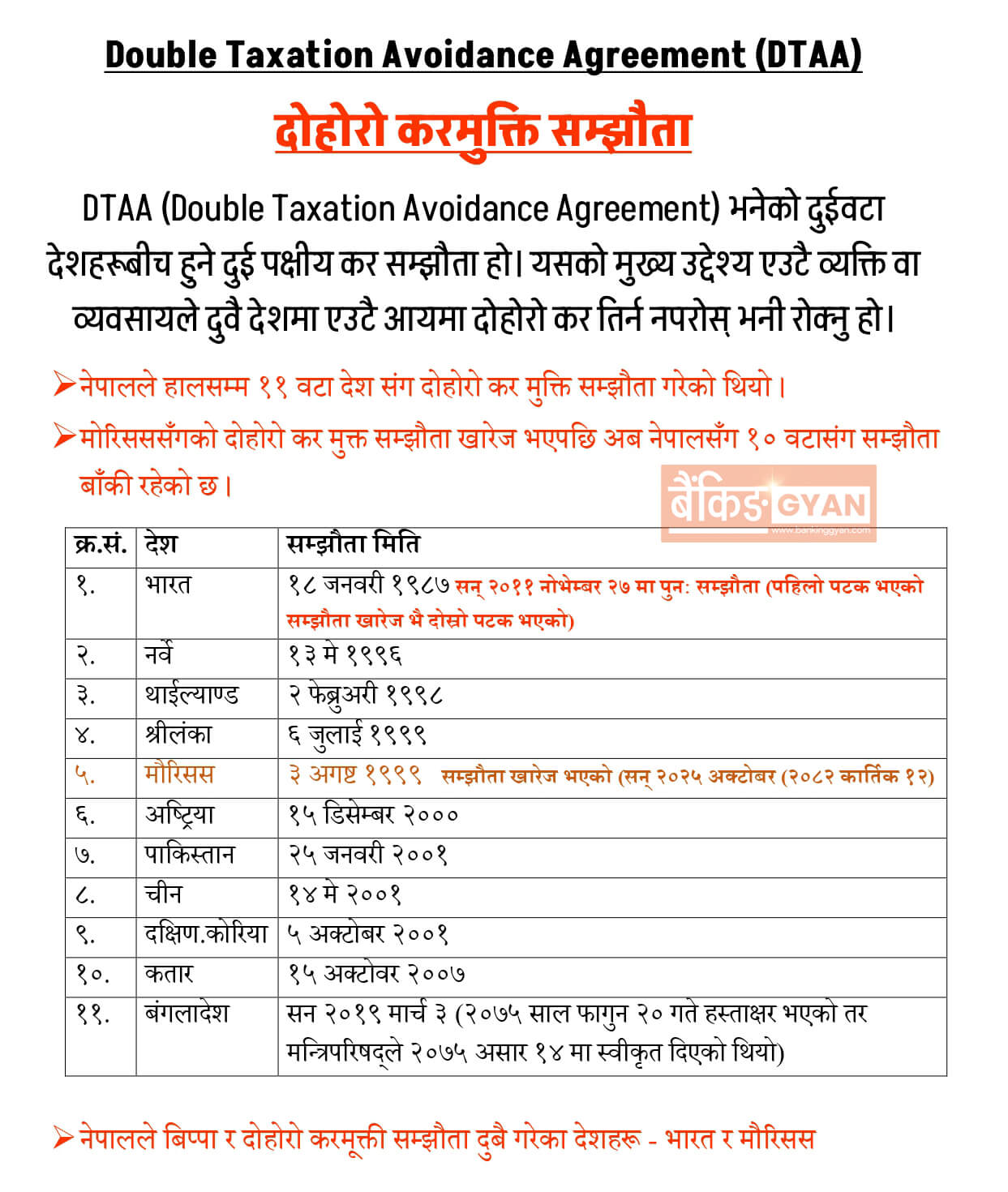
- Strengthen investment protection and dispute settlement (e.g Bilateral and Multilateral agreements on dispute settlement, bilateral investment protection and promotion agreement (BIPPA), Double Taxation Avoidance Agreement (DTAA).
- Mobilizing NRN capacity as the FDI catalyst. For example, a diplomatic mission can coordinate NRN to promote Nepal’s image as a destination for FDI, provide incentives for businesses through joint ventures between NRN, Nepali businessmen, and other foreign investors.
- Branding Nepal as a credible investment destination. For example, effective use of the media for advertising, visible and effective participation in regional and global investment-related forums, communicate the area of comparative advantage and strategic location of the country.
- Aligning development and climate diplomacy with FDI. For example, hydropower potential and the use of FDI, climate financing support as a climate-vulnerable developing country, climate trade agreements, etc.
Other Notes