History of Polymer Notes in Nepal
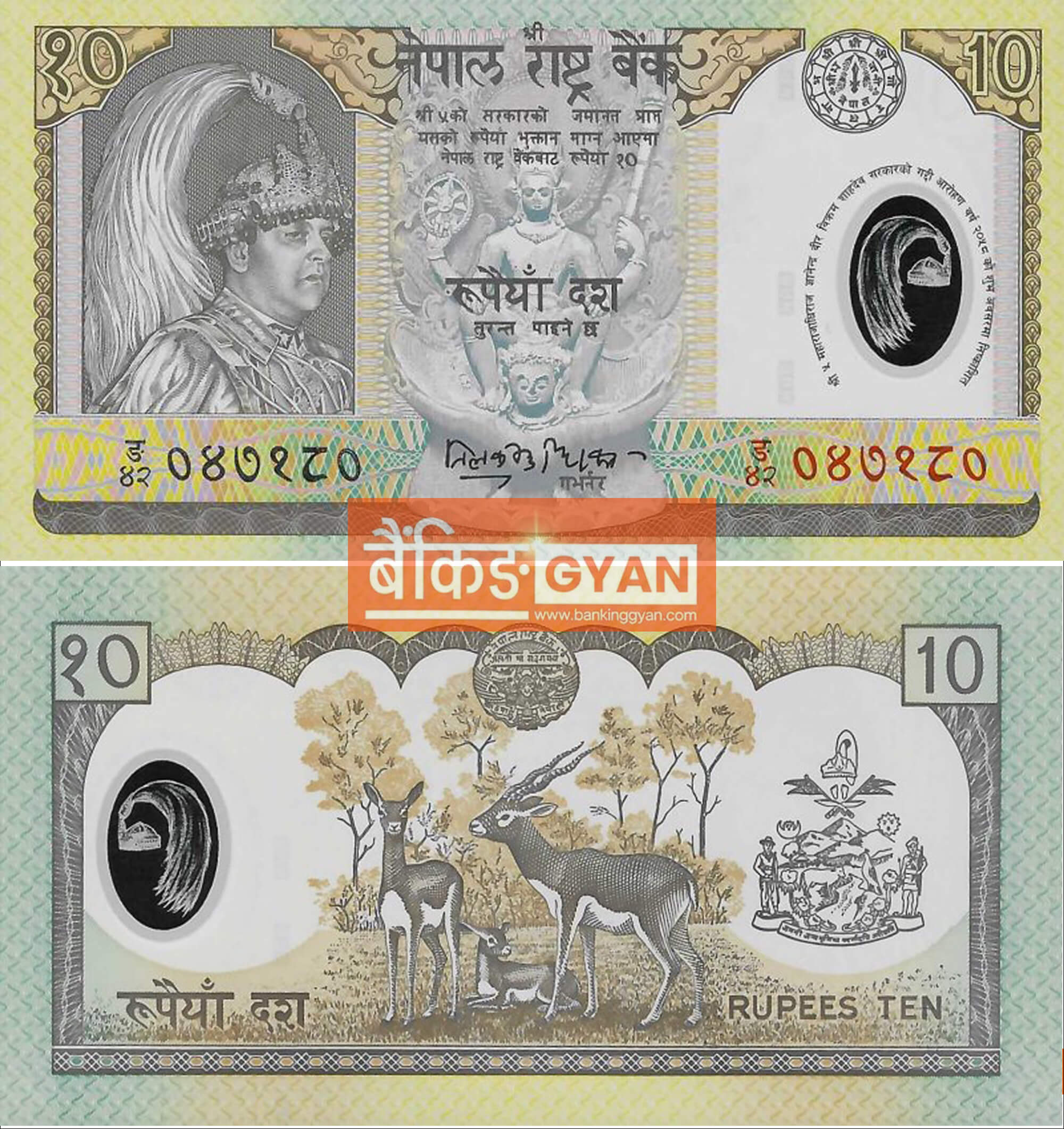
In B.S. 2059 (A.D. 2002), Nepal Rastra Bank introduced 50 million pieces of a 10-rupee polymer banknote into the market for the first time. The note was issued on Ashoj 14 to mark the accession of King Gyanendra Shah to the throne. It featured a small transparent plastic window displaying the King’s royal crown.
In the regular 2062 B.S. (2005 A.D.) edition, the reference to the royal accession was removed, and Nepal Rastra Bank released the **10-rupee polymer note for a second time. Although it was promoted as being more durable and cleaner than paper currency, the polymer note became a complete failure in the Nepali market.
With continued use, its color and print faded very quickly, making it look like plain plastic. As the note began to fade and crack, the general public, shopkeepers, and even banks gradually stopped accepting it. Due to various technical problems and allegations of corruption, the experiment failed, and its printing was permanently discontinued.
The failure of the polymer note was not attributed to quality issues alone. During the printing process, there were allegations of major financial corruption related to the agreement with Note Printing Australia (NPA), the Australian company contracted to print 50 million banknotes. Investigations by the Australian Federal Police and Nepal’s Commission for the Investigation of Abuse of Authority alleged that large commissions had been paid to Nepali officials and agents to secure the contract. As a result, in Poush 2075 B.S., a corruption case was filed seeking NPR 9.1 million in damages.
In connection with this scandal, corruption charges were also brought before the Special Court against former Nepal Rastra Bank Governor Tilak Rawal and other senior officials. However, after years of legal proceedings—and nearly 16 years after the notes had been printed—the Special Court ultimately acquitted all three accused individuals.
Today, the 10-rupee plastic (polymer) note is no longer in circulation. It remains only as a historical collectible item for collectors of old coins and banknotes.
नेपालमा पोलिमर (प्लास्टिक) नोटको इतिहास
नेपाल राष्ट्र बैंकले वि.सं. २०५९ (सन् २००२) मा पहिलोपटक १० रुपैयाँ दरको ५ करोड थान पोलिमर नोट बजारमा ल्याएको थियो। तात्कालिन समयमा राजा ज्ञानेन्द्र शाहको गद्धीआरोहणको अवसर पारेर असोज १४ गते यो नोट जारी गरिएको थियो। यसमा पारदर्शी प्लास्टिकको एउटा सानो झ्याल थियो, जसमा राजाको श्रीपेच अंकित थियो । वि.सं. २०६२ को नियमित संस्करण (सन् २००५) मा गद्धी आरोहणको सन्दर्भ हटाएर राष्ट्र बैंकले दोस्रोपटक १० रुपैयाँको पोलिमर नोट बजारमा पठाएको थियो।
कागजी नोटभन्दा टिकाउ र सफा हुने दाबी गरिए पनि नेपाली बजारमा यो नोट पूर्ण रूपमा असफल भयो । नोट प्रयोग गर्दै जाँदा यसको रङ र छाप निकै चाँडो मेटिएर सादा प्लास्टिक जस्तो देखिन थाल्यो। रङ उडने र भाँच्चिने भएपछि सर्वसाधारण, पसले र बैंकहरूले समेत यो नोट लिन छाडे। विभिन्न प्राविधिक समस्या र भ्रष्टाचार काण्डका कारण यो प्रयोग असफल भयो र यसको छपाइ सधैँका लागि बन्द गरियो।
पोलिमर नोट पूर्ण रुपमा असफल हुनुमा यसको गुणस्तर मात्र कारण थिएन । यो नोट छपाईको क्रममा अस्ट्रेलियाको ‘नोट प्रिन्टिङ अस्ट्रेलिया’ (NPA) सँग ५ करोड थान नोट छाप्न गरिएको सम्झौतामा भएको ठूलो आर्थिक भ्रष्टाचारको आरोप थियो।अस्ट्रेलियाको संघीय प्रहरी र नेपालको अख्तियार दुरुपयोग अनुसन्धान आयोगको छानबिनले ठेक्का पाउनका लागि नेपाली अधिकारीहरू र एजेन्टहरूलाई मोटो रकम कमिसन बुझाएको भन्दै उनीहरू विरुद्ध २०७५ पुसमा ९१ लाख रुपैयाँ बिगो मागदाबी गर्दै भ्रष्टाचार मुद्दा दायर गरेको थियो।
यस काण्डमा नेपाल राष्ट्र बैंकका तत्कालीन गभर्नर तिलक रावलसहित अन्य उच्च अधिकारीहरूमाथि विशेष अदालतमा भ्रष्टाचारको मुद्दा समेत चल्यो। तर लामो कानुनी उतारचढाव र नोट छापिएको करिब १६ वर्षपछि यस मुद्दामा अन्ततः विशेष अदालतले तीनै जना आरोपीलाई सफाइ दियो ।
हाल यो १० रुपैयाँको प्लास्टिकको नोट बजारमा चल्तीमा छैन। यो केवल पुराना सिक्का र नोट संकलन गर्नेहरूका लागि एउटा ऐतिहासिक सामग्री मात्र बनेको छ।