
First Step of Formal Banking
The formal history of banking in Nepal began in the year B.S. 1933 , during the tenure of then Prime Minister Ranodip Singh Rana, with the establishment of Tejarath Adda. This institution is regarded as the first phase of Nepal’s banking history. Tejarath Adda was fully government-owned, and it provided loans to the public at an interest rate of 5% against gold and silver as collateral. However, Tejarath Adda did not accept deposits.
The main objectives of Tejarath Adda were:
- To provide loans to government employees at low interest rates.
- To protect them from the high interest rates charged by local moneylenders.
- To initiate a formal government-controlled financial system.
In B.S. 1989, the Taksar Adda (Mint Department) was established, and for the first time, coins were minted in Nepal.
Beginning of Modern Banking
Under the Nepal Bank Act 1994, the first commercial bank of Nepal, Nepal Bank Limited, was established on 30th Kartik 1994 B.S. Nepal Bank Limited served the dual roles of a commercial bank and a central bank, except for issuing currency. Its establishment laid the foundation for the modern banking system in Nepal.
On 1st Ashoj 2002 B.S., for the first time in Nepal, the Sadar Muluki Khana (Central Treasury) issued currency notes of Rs. 5, 10, and 100 denominations. At the time, Janak Raj Pandit was the Head of Cashier. The notes issued by Sadar Muluki Khana are referred to as “Old Print”.
On 14th Baisakh 2013 B.S., under the Nepal Rastra Bank Act 2012, the Nepal Rastra Bank (NRB) was established as the central bank of Nepal. Before the establishment of NRB, Indian currency was widely used in Nepal. Therefore, one of NRB’s major objectives was to issue Nepali currency and ensure its circulation within the country.
On 7th Falgun 2016 B.S., NRB issued currency notes in denominations of Rs. 1, 5, 10, and 100. At that time, Himalaya Shumsher J.B.R. was the Governor of NRB. The currency notes issued by NRB are referred to as “New Print”.
- Notes issued by Sadar Muluki Khana are called Old Print.
- Notes issued by Nepal Rastra Bank are called New Print.
On 20th Chaitra 2013 B.S., the Bhakhan Cooperative Institution (बखान सहकारी संस्था ) was established in Sharadanagar, Chitwan, becoming the first cooperative organization in Nepal. Due to this, Chaitra 20 is celebrated as Sahakari Day सहकारी दिवस . It was initiated under the leadership of then Agriculture Minister Bhakhan Singh Gurung.
In 2014 B.S., the Nepal Industrial Development Bank was established as the first development bank of Nepal. On 1st Ashad 2016 B.S., it was transformed into NIDC. Later, on 19th Baisakh 2073 B.S., it was merged with Rastriya Banijya Bank.
Under the Rastriya Banijya Bank Act 2021 B.S., Rastriya Banijya Bank (RBB) was established on 10th Magh 2022 B.S. as the second government-owned commercial bank.
Under the Agriculture Development Bank Act 2024 B.S., the Agriculture Development Bank (ADB) was established on 7th Magh 2024 B.S. However, ADB at that time did not accept deposits and only acted as a facilitator on behalf of the government, offering financial and technical assistance to farmers to modernize the agricultural sector. On 31st Ashad 2062 B.S., ADB was transformed into Agriculture Development Bank Limited (ADBL), and on 3rd Chaitra 2062 B.S., it obtained a commercial banking license.
In 2025 B.S., a Banking Promotion Committee was formed.
In 2031 B.S., the Commercial Bank Act was introduced. During the fiscal year 2032/33 B.S., the Sana Kisan Bikash Pariyojana was launched.
In 2033 B.S., the Hulak Bank was initiated.
Banking after the Adoption of Open Economic Policy
During the fiscal year 2040/41 B.S., Nepal adopted the Open Economic Policy. With economic liberalization, private sectors were encouraged, and on 29th Ashad 2041 B.S., the Nepal Arab Bank Limited (now Nabil Bank) was established. It was the first joint venture bank in Nepal and the first private bank established with both foreign and domestic investment.
In 2042 B.S., the Nepal Indosuez Bank Limited was established, which later became Nepal Investment Bank Limited, and is now known as Nepal Investment Mega Bank Limited.
In 2043 B.S., the Nepal Grindlays Bank was established, which is now known as Standard Chartered Bank Nepal.
In 2049 B.S., to promote development in rural areas, the Purwanchal Development Bank was established.
On 11th Shrawan 2049 B.S., the Nepal Awash Bikash Bitta Company was established.
In Mangsir 2057 B.S., the Financial Sector Reform Program (FSRP) was introduced to strengthen Nepal’s entire financial system.
In 2058 B.S., the Small Farmers Development Bank was established.
By the fiscal year 2066/67 B.S., Nepal had around 300 banks and financial institutions, categorized into A (Commercial Banks), B (Development Banks), C (Finance Companies), and D (Microfinance Institutions).
However, recognizing the overgrowth and limited access to banking services for the general public, the government introduced:
- Merger Policy in 2068 B.S.
- Acquisition Policy in 2070 B.S. Later, both policies were combined to form a single Merger and Acquisition Policy in B.S. 2073.
By the end of Baisakh 2076 B.S., there were:
- 28 Commercial Banks
- 32 Development Banks
- 24 Finance Companies
- 91 Microfinance Institutions
- 1 Infrastructure Development Bank
Totaling 176 banks and financial institutions.
Due to unhealthy competition and limited reach in remote areas, the implementation of the Merger and Acquisition Policy led to a consolidation, and by 2082 B.S., the number of institutions reduced to 107, comprising:
- 20 Commercial Banks
- 17 Development Banks
- 17 Finance Companies
- 52 Microfinance Institutions
- 1 Infrastructure Development Bank
Thus, starting from Tejarath Adda, Nepal’s banking sector has now expanded to all 753 local levels. Across the country, there are now 11,505 bank branches providing services.
Today, banks and financial institutions are becoming more modern and robust. Even state-owned banks like Nepal Bank, Agriculture Development Bank, and Rastriya Banijya Bank are now functioning competitively like private banks and offering advanced financial services throughout the country.
Meanwhile, a new concept called Neo Bank is also gaining attention — which we will discuss in a future video.
History of Banking Development in Nepal in Nepali
नेपालको बैंकिङ इतिहास र बिकासक्रम
१ . औपचारिक बैंकिङ सुरुवात
बिक्रम सम्बत १९३३ सालमा तत्कालिन राणा प्रधानमन्त्री रणोद्वीप सिंको पालामा तेजारथ अड्डाको स्थापना भएको थियो । तेजारथ अड्डाको स्थापना नै नेपालको बैंकिङ इतिहासको पहिलो चरण मानिन्छ। तेजारथ अड्डा पूर्णतय सरकारी स्वामित्वमा खोलिएको थियो र सुनचाँदी धितोराखी ५ प्रतिशत ब्याजदरमा सर्वसाधारणलाई कर्जा प्रवाह गरिएको थियो। तेजारथ अड्डाले निक्षेप भने स्वीकार गर्दैनथ्यो।
तेजारथ अड्डाको मुख्य उद्देश्यहरु सरकारका कर्मचारीहरूलाई न्यून ब्याजमा ऋण उपलब्ध गराउने, साहु र महाजनहरूको अत्यधिक ब्याजदरबाट कर्मचारीहरूलाई जोगाउने, औपचारिक सरकारी वित्तीय प्रणालीको सुरुआत गर्नु थियो।
वि सं 1989 सालमा टक्सार अड्डाको स्थापना भयो र पहिलो पटक सिक्का निस्काशन गर्यो।
२ . आधुनिक बैंकिङ सुरुवात
नेपाल बैंक ऎन १९९४ को अधिनमा रहेर १९९४ कार्तिक ३० गते नेपाल बैंक लिमिटेडको स्थापना भयो। यो नै नेपालको पहिलो वाणिज्य बैंकको रुपमा चिनिन्छ। नेपाल बैंक लिमिटेडले नोट तथा सिक्काको निष्काशन बाहेक केन्द्रिय बैंक तथा वाणिज्य बैंक दुइटै बैंकको रुपमा काम गर्न थाल्यो। नेपाल बैंकको स्थापना हुनु नै नेपालमा आधुनिक बैंकिङ प्रणालीको जग मानिन्छ।
बि सं. २००२ असोज १ गते सदर मुलुकिखानाले नेपालमा पहिलो पटक ५ , १० र १०० को नोट जारि गर्यो। त्यो बेला जनक राज पण्डित Head of Cashier थिए। सदर मुलुकिखानाले निष्काशन गरेको नोटलाई Old Print भनिन्छ।
नेपाल राष्ट्र बैंक ऎन २०१२ को अधिनमा रहेर वि. सं. २०१३ बैशाख १४ गते नेपाल राष्ट्र बैंकको स्थापना भयो। जुन अहिले केन्द्रिय बैंक रुपमा चिनिन्छ। नेपाल राष्ट्र बैंक स्थापना हुनु भन्दा पहिला भारतीय मुद्रा प्रमुख रुपमा प्रचलनमा थियो त्यहि भएर नेपाली मुद्रा प्रकाशन गर्ने र नेपालि रुपैयाँलाई चलन चल्तीमा ल्याउने पनि राष्ट्र बैंकको मुख्य उदेश्य थियो ।
नेपाल राष्ट्र बैंकले वि. सं. २०१६ साल फाल्गुन ७ गते १ , ५ , १० , १०० को नोट निष्काशन भयो। त्यस बेलाका गभर्नर हिमालय शमशेर ज.ब.रा. थिए। नेपाल राष्ट्र बैंकले निष्काशन गरेको मुद्रालाई New Print भनिन्छ।
- सदर मुलुकिखानाले निष्काशन गरेको नोटलाई Old Print भनिन्छ।
- नेपाल राष्ट्र बैंकले निष्काशन गरेको मुद्रालाई New Print भनिन्छ।
वि. सं. २०१३ साल चैत्र २० गते भखान सहकारी संस्थाको स्थापना भयो जुन नेपालको पहिलो सहकारी हो । त्यहिँ भएर चैत्र २० लाई हामी सहकारी दिवसको रुपमा मनाइन्छ। चितवन जिल्लाको शारदानगरमा नेपालकै पहिलो बखान बहुउद्देश्यीय सहकारी संस्था स्थापना भएको थियो । तत्कालिन कृषिमन्त्री बखानसिंह गुरूङको पहलमा स्थापना भएको बखान सहकारी संस्थाको स्थापना दिवसलाई सहकारी दिवसको रुपमा मनाउँदै आइएको छ ।
वि. सं. २०१४ सालमा नेपालको पहिलो डेभेलप्मेन्ट बैंकको रुपमा Nepal Industrial Development Bank को स्थापना भयो। जुन वि. सं. २०१६ साल असार १ गते NIDC मा रुपान्तरण भयो। जुन पछि आएर २०७३ साल बैशाख १९ गते राष्ट्रिय वाणिज्य बैंकसंग गाभियो।
राष्ट्रिय वाणिज्य बैंक ऎन २०२१ को अधिनमा रहेर सरकारी स्वामित्वको दोस्रो वाणिज्य बैंकको रुपमा २०२२ साल माघ १० गते राष्ट्रिय वाणिज्य बैंकको स्थापना भयो।
कृषि विकास बैंक ऎन २०२४ को अधिनमा रहेर वि. सं. २०२४ साल माघ ७ गते कृषि विकास बैंक को स्थापना भयो। तर कृषि विकास बैंकले निक्षेप लिदैन थियो खाली सरकारको तर्फबाट कृषकहरुलाई सहजीकरण मात्र गर्थ्यो।
तत्कालिन समयमा नेपालको कृषि क्षेत्रमा आधुनिकीकरण गर्न, कृषकहरुलाई आर्थिक र प्राविधिक सहयोग गर्दै कृषि क्षेत्रको समग्र बिकास गर्ने लक्ष सहित यो बैंकको स्थापना भएको थियो। कृषि विकास बैंक वि.सं. २०६२ साल असार ३१ मा कृषि विकास बैंक लिमिटेड (ADBL )मा रुपान्तरण भयो भने २०६२ चैत्र ३ गते वाणिज्य बैंकको इजाजत प्राप्त गरेको हो।
वि. सं. २०२५ सालमा Banking Promotion Committee बन्यो।
वि. सं. २०३१ सालमा बाणिज्य बैंक ऎन आयो। आ. व. ३२ / ३३ मा साना किसान बिकास आयोजना Small Farmar Development Project कार्यक्रम आयो।
वि. सं. २०३३ सालमा हुलाक बैंकको सुरुवात भयो।
३ .खुला अर्थ नीति अवलम्बन पछिको बैंकिङ
आ. व. २०४०/४१ मा आएर भने नेपालले Open Economic Policy (खुला अर्थ नीति) को अवलम्बन गर्यो । आर्थिक उदारीकरण पश्चात भने निजि क्षेत्रलाई सहज भयो। र वि. सं. २०४१ साल असार २९ गते नेपाल अरब बैंक लिमिटेडको स्थापना भयो जुन अहिलेको Nabil Bank हो। नेपाल अरब बैंक लिमिटेड नै नेपालको पहिलो Joint Venture को रुपमा खुलेको पहिलो बैंक मात्रै होइन विदेशि र स्वदेशी लगानीमा खोलिएको पहिलो निजि बैंक पनि हो।
वि. सं. २०४२ सालमा Nepal Indosuez Bank Limited को स्थापना भयो जुन अहिलेको Nepal Investment Bank Limited हो। जुन अहिले आएर Nepal Investment Mega Bank Limited को रुपमा चिनिन्छ।
वि. सं. २०४३ सालमा Nepal Grindlays Bank को स्थापना भयो जुन अहिले अहिलेको Standard Chartered Bank हो।
वि. सं. २०४९ सालमा ग्रामिण क्षेत्रको बिकास गर्नको लागि पहिलो पटक पुर्वाञ्चल विकास बैंकको स्थापना भयो।
वि. सं. २०४९ साल श्रवन ११ गते नेपाल आवास विकास वित्त कम्पनिको स्थापना भयो।
वि. सं. २०५७ साल मंसिरमा देशको समग्र वितीय क्षेत्रको विकास गर्ने उदेश्यले Financial Sector Refund Program (FSRP) स्थापना भयो।
वि. सं. २०५८ सालमा साना किसान विकास बैंकको स्थापना भयो।
आर्थिक वर्ष २०६६ /६७ सम्म आइपुग्दा नेपलामा A, B, C र D वर्गका 257 र सिमित कारोवार गर्ने संस्था गरि करिब 300 वटा बैंक तथा वितीय संस्थाहरुको स्थापना भयो। यतिका बैंक तथा वितीय संस्थाहरुको स्थापना भएपनि सामान्य जनताको पहुँचमा अझै पनि बैंक पुग्न नसकेको सत्यतालाई मध्यनजर गर्दै Merger Policy 2068, Acquisition Policy 2070 जस्ता नीतिहरु ल्याईयो । पछि यी दुवै नीतिलाई गाभेर २०७३ मा एउटै Merger and Acquisition Policy 2073 बनाइयो ।
२०७६ बैशाख मसान्त सम्ममा आईपुग्दा २८ वाणिज्य बैंक, ३२ विकास बैंक, २४ फाइनान्स कम्पनी, ९१ लघुवित्त वित्तीय संस्था र १ पूर्वाधार विकास बैंक गरि १ सय ७६ वटा बैंक तथा वित्तीय संस्थाहरु संचालनमा रहेका थिए।
बैंकको गुणात्मक संख्या मात्र बढेको तर दुर दराजका जनताहरुमा अझै पनि वित्तीय सेवाको पहुँच नपुगेको हुँदा अस्वस्थ प्रतिस्पर्धालाई रोक्न राष्ट्र बैंकले अवलम्बन गरेको Merger and Acquisition Policy को परिणाम स्वरुप २०८२ सम्म आइपुग्दा भने बैंक तथा वित्तीय संस्थाको संख्या १०७ रहेका छन् जसमा २० वटा वाणिज्य बैंक, १७ वटा विकास बैंक, १७ वटा फाइनान्स कम्पनि, ५२ वटा लघु वित्त वित्तीय संस्था, र १ वटा पूर्वाधार विकास बैंक रहेका छन्।
यसरि तेजारथ अड्डाबाट औपचारिक बैंकिङ हुदै अहिले देशको ७५३ वटै स्थानीय तहमा बैंकको सेवा पुगेको छ। देश भर बैंक तथा वित्तीय संस्थाहरुको ११५०५ वटा शाखाहरु रहेका छ।
आजको समय बैंक तथा वित्तीय संस्थाहरु आधुनिक तथा सबल बन्दै गैरहेका छन्। सरकारी स्वामित्वमा रहेका नेपाल बैंक, कृषि विकास बैंक तथा राष्ट्रिय वाणिज्य बैंक पनि निजी बैंकहरु जस्तै आधुनिक तथा प्रतिष्पर्धी बैंकको रुपमा देशै भरि वित्तीय सेवा दिईरहेका छन्। यसै बीच अहिले नौलो अवधारणा सहित Neo Bank को पनि चर्चा सुरु भएको छ। यो बारे हामि अर्को भिडियोमा कुरा गर्नेछौं।
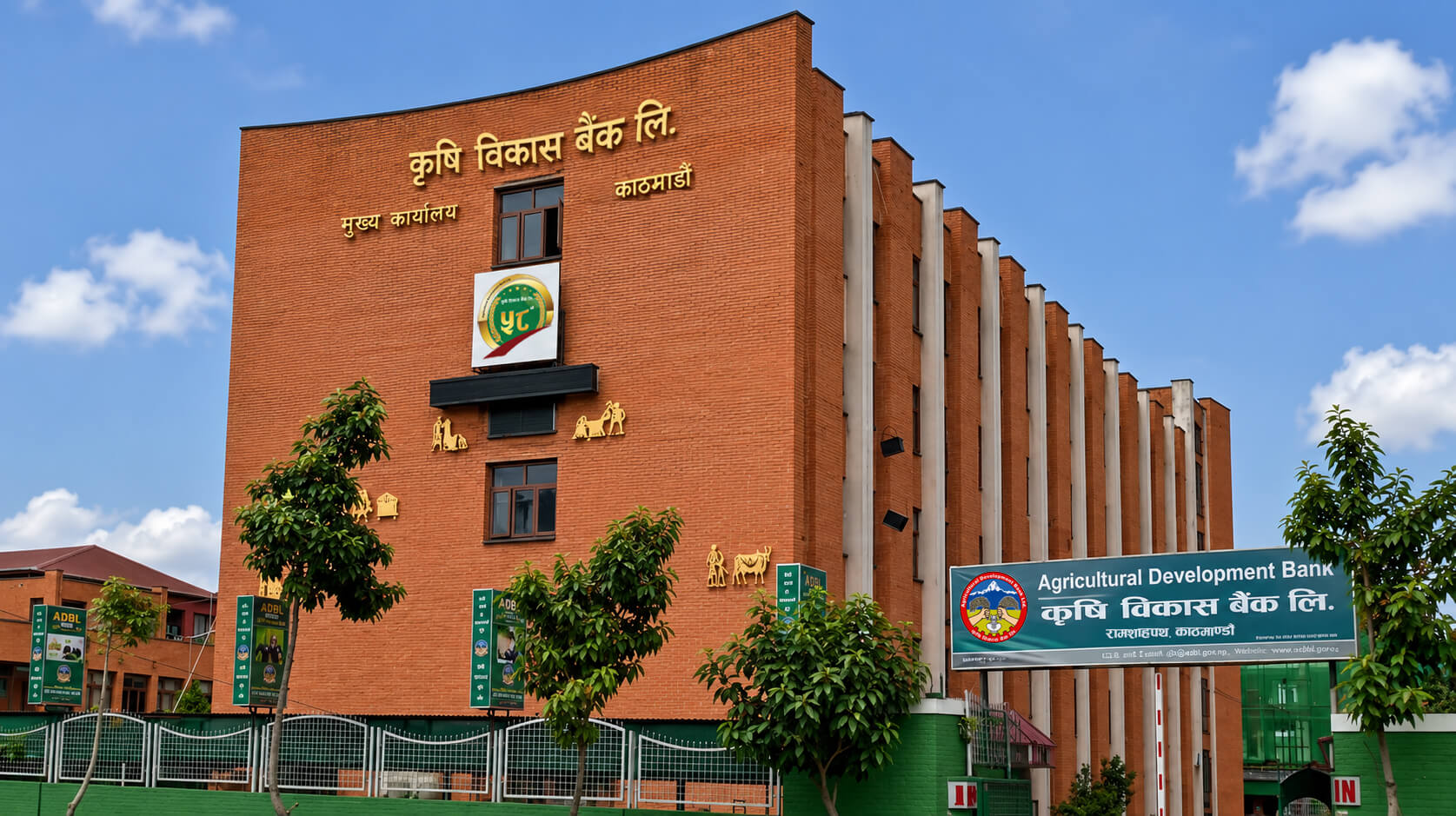
Head office of Agricultural Development Bank Limited, Ramshahpath Kathmandu Nepal
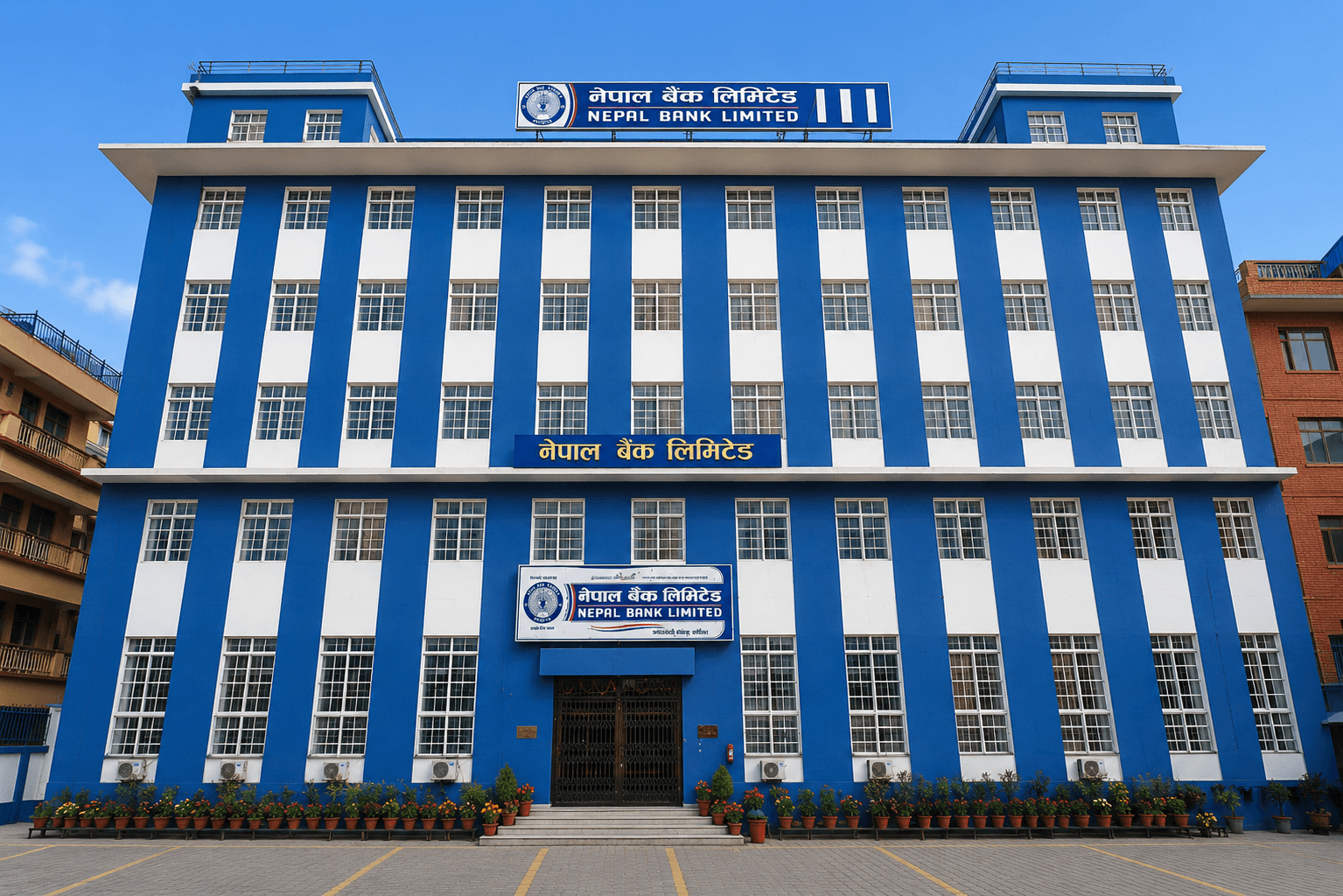
Nepal Bank Limited, Head Office, Dharmapath, Kathmandu, Nepal.

Rastriya Banijya Bank Limited, Head Office, Singhadarbar Plaza, Kathmandu Nepal