Old Question:
Q) What is economic growth? Explain its determinants. [2081 NRB Officer]
Economic growth is defined as the change in the aggregate real output/income of the economy. Generally, changes in real GDP are considered as economic growth. However, changes in per capita income can also be taken as an indicator of economic growth. Economic growth may be positive or negative; growth is usually a positive phenomenon, but it can be negative during critical/crisis periods.
Various theories and empirical studies have shown that economic growth depends on multiple economic and non-economic factors. For example, the Harrod-Domar growth model shows that economic growth depends on economic factors like saving and investment, as well as non-economic factors like labor supply. Similarly, the Solow-Swan growth model shows that exogenous technology is the ultimate source of economic growth, while the endogenous growth model shows that investment in human capital determines economic growth. There are other political, demographic, and institutional theories that have shown that economic growth does not depend only on economic factors but also on non-economic factors like political, institutional, demographic, socio-cultural, geographic, among others. So, the major determinants of economic growth are:
- Economic Determinants: Economic growth depends on several economic factors, such as saving rate, investment, technology, economic policies (Fiscal policy & monetary policy), and market nature.
- Political Determinants: Economic growth also depends on political factors such as political stability, political ideology, priority, political system, size, and nature of government.
- Demographic Determinants: Size of population, labor supply, composition of population (% of working age, dependency ratio), labor force participation rate, population growth, migration trend & rate.
- Socio-cultural Factors: Socio-cultural factors affect the economic behavior of the individual or society, such as saving and consumption behavior, work ethics and culture, innovation and entrepreneurship, labor force participation, etc. This ultimately affects economic growth.
- Geographical and natural determinants: The geographical and natural factors determine the resource availability, access to the sea, landscape, and terrain, etc. These affect the cost of infrastructure development, the availability of raw materials, and the cost of external trade. For example, landlocked countries have a higher cost of external trade due to the lack of access to the sea. Similarly, the complex geographical structure increases the cost of infrastructure development and trade. The climate conditions and biodiversity also affect economic growth.
- Institutional Determinants: Institutions also determine economic growth, where good quality institutions support sustainable higher growth and bad quality institutions discourage economic growth. The quality of institutions determines the quality of governance, service delivery, and the rule of law. Institutions that are democratic, transparent, and enforce property rights encourage innovation, competition, and growth.
- Environmental/Ecological Determinants: Environmental factors, like global warming, climate change, and biodiversity, etc, affect economic growth. For example, there is the cost of adaptation and mitigation of global warming and climate change, which have disturbed the ecological balance. This reduces the growth potential of the country’s economy. There are several climate-induced diseases and natural diseases that have directly affected economic growth.
Issues and Challenges of Economic Development in Nepal
There are both traditional and emerging issues and challenges in economic development. The traditional issues are like poverty, inequality, and unemployment, whereas the newly emerged issues are climate change, cybersecurity, money laundering, etc. Since economic development is a multidimensional and dynamic concept, the issues and challenges related to it are various, such as:
- Mass poverty and underemployment
- Increasing inequality and concentration of wealth among a limited number of people
- Issues of illegal, cross-border movement of people, goods, and services
- Increasing threat to personal privacy, data, and cybersecurity
- Growing money laundering, terrorist financing, and insecurity
- Growing pro-nationalist movements pose a threat to bilateral, regional, and global relations
- Increasing trade war between the major economic powerhouses and growing uncertainty
- Rapidly growing AI and robotic technology, with the increasing cost of adjusting individual employment
- Global warming and climate change, with the increasing cost of adoption and mitigation
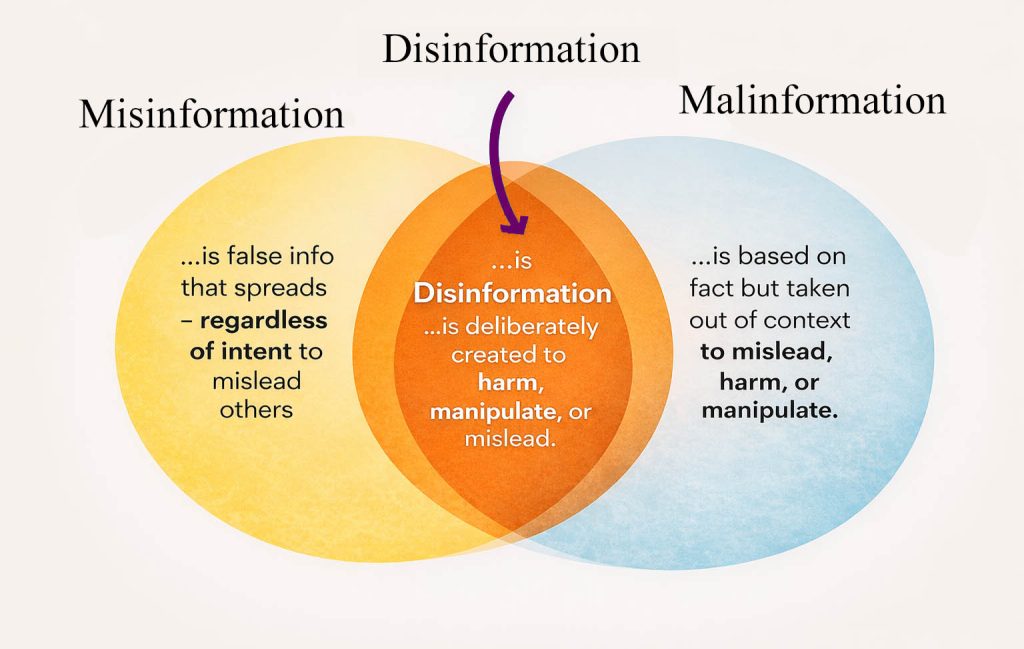
- Growing misinformation, disinformation, and malinformation
Next Note